


Protect Your DNA – The Foundation of Life and Health
– Dr. Renu Yadav
We often believe that the greatest threats to our lives come from the outside like road accidents, infections, or major illnesses. But new scientific research reveals that one of the most persistent and silent attacks happen within our own bodies, right inside our cells i.e. on our DNA. This attack is invisible, yet its consequences can be profound.
What Makes DNA So Important?
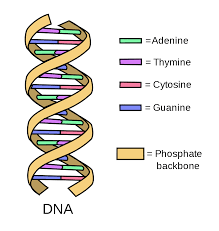
DNA, or Deoxyribonucleic Acid, is the fundamental molecule of life. It is our body’s ultimate “instruction manual.” It contains the information that determines how we look, behave, grow, and even how our bodies respond to diseases. Every cell in the body carries DNA, which directs its function and development.
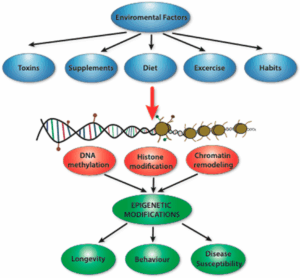
When DNA is damaged, cells begin to function abnormally. This can lead to serious health issues, some of which may even be passed on to the next generation. While our bodies have natural repair systems that fix most DNA damage, constant exposure to harmful factors can weaken these systems over time.
Major Factors That Damage DNA
Ultraviolet (UV) Radiation:
The sun’s UV rays are one of the most powerful natural enemies of DNA. They penetrate skin cells and damage their genetic material. Without proper protection, this damage can accumulate and lead to skin cancers. Similarly, excessive exposure to medical radiation, such as X-rays or CT scans, can also harm DNA, especially with repeated use.
Air Pollution:
Polluted air is another major threat. Smoke, heavy metals, and chemical pollutants in the atmosphere produce free radicals inside our bodies. These unstable molecules disrupt cellular stability and attack DNA structure. This is one reason pollution-related diseases are rapidly increasing worldwide.
Unhealthy Diet:
Highly processed, oily, and packaged foods generate reactive chemicals that weaken the body’s defense system and damage DNA. Prolonged consumption of such foods increases the risk of chronic diseases, including cancer.
Viral Infections:
Certain viruses can directly attack our DNA. For example, Human Papillomavirus (HPV) is the leading cause of cervical cancer, while Hepatitis B virus is linked to liver cancer.
Lifestyle Factors:
Chronic stress and lack of sleep reduce the body’s ability to repair DNA. Stress hormones interfere with cell recovery processes, while insufficient sleep disrupts the natural repair mechanism. Smoking and alcohol consumption are direct DNA-damaging agents that multiply the risk of several cancers.
Diseases Linked to DNA Damage
Persistent DNA damage is closely linked to life-threatening diseases such as cancer — including skin, liver, lung, and cervical cancers. It can also contribute to heart diseases and neurological disorders like Alzheimer’s and Parkinson’s. Premature aging, hair loss, fatigue, and wrinkles may also signal ongoing DNA deterioration. As a result, immunity weakens, making the body more prone to infections.
How to Protect Your DNA
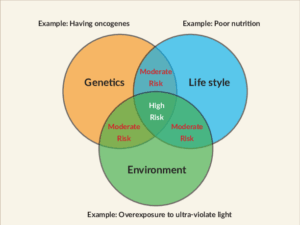
Although these invisible attacks cannot be completely avoided, we can significantly reduce their impact by adopting mindful habits.
Eat a DNA-Protective Diet:
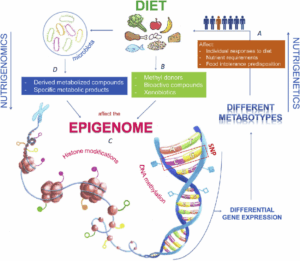
Consume fresh fruits, green leafy vegetables, sprouted grains, and legumes rich in antioxidants. Foods like Indian gooseberry (amla), turmeric, green tea, walnuts, almonds, and berries strengthen cellular defense and enhance DNA repair. Drinking plenty of water helps flush out harmful toxins.
Maintain a Healthy Lifestyle:
Adequate sleep (7–8 hours daily) allows DNA repair mechanisms to function efficiently. Yoga, meditation, and light exercise help manage stress and boost immunity. Regular physical activity, such as walking or cycling, improves oxygen delivery to cells and supports healthy metabolism.
Use Scientific Protection:
Vaccination is a proven modern tool to prevent DNA-related diseases. HPV and Hepatitis B vaccines, for example, greatly reduce the risk of cancer. Use sunscreen daily to protect skin cells from UV rays, and avoid prolonged exposure to harsh sunlight. Refraining from smoking and alcohol is equally vital for DNA safety.
Conclusion
Scientists worldwide are constantly exploring new ways to strengthen DNA protection and enhance its natural repair mechanisms. But until such innovations become part of everyday life, we must take responsibility for our own cellular health.
Our DNA carries the blueprint of our existence. Keeping it, safe means securing, not only our present health but also the future of generations to come.
Now is the time to become aware of these invisible threats and make DNA protection a top priority — because a protected DNA is the foundation of a healthy and enduring life.
Dr. Renu Yadav
Senior Demonstrator, PGIMER, Chandigarh;
ई-मेल : renu21835@gmail.com;
फोन : +917015665504