


The Role of Genome in Healthcare: New Discoveries, New Possibilities

– Dr. Renu Yadav
The field of healthcare has undergone revolution brought about by the genomic science. The focus is shifting “personalized and precise” care instead of a generalized approach. The integration of genomics, AI and precision medicine across the globe has not only created new opportunities of hope, but has also come with fears of data security and fair access.
What is a Genome?
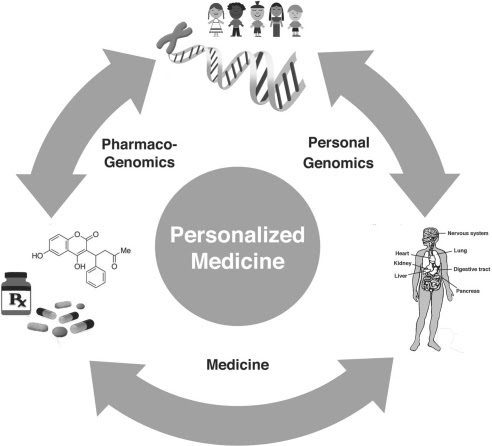
Genome can be known as the genetic blueprint of the human body. Every human being has a full complement of approximately three billion DNA base pairs in the form of a genome. It defines the make-up, features and vulnerability of our body to illnesses. Conventionally, medicine was based on the principles of one disease, one medication, one treatment, and so on. Nevertheless, science is currently shifting to precision medicine, where the treatment is provided on the basis of the genetic data of a person, his or her lifestyle, and environmental factors.
New Initiatives in Genomic Studies Across Diverse Populations
Several decades ago, genomic studies were mainly conducted on the European population and the data was missing on other regions. This imbalance has now been started to be countered by attempts to research genomes of different population groups. Recently, the Mohammed Bin Rashid University in Dubai released the Arab Pangenome Reference which is a genomic pattern of Arab citizens. Likewise, India has achieved a lot in the creation of a Centre of Advanced Genomics and Precision Medicine in AIIMS Jammu. The Indian government is currently thinking of sequencing the genome of a million citizens in the years to come to gain more insights and avert illnesses in the diverse Indian population.
Growing Use of Genomic Data in Healthcare
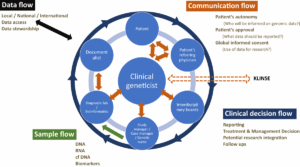
In India, there is an attempt to connect the genomic data with the electronic medical records (EMR). This may help physicians to make better treatment decisions. Illumina Inc. is a U.S based company that has recently introduced a technology known as the 5-base solution, which is able to give both genome and DNA methylation data from one single sample. The innovation is useful in revealing the causes of diseases at the genetic level as well as the epigenetic level. The most significant challenge is data privacy. Also, it is difficult to coordinate between the systems and ensure that patients clearly understand and give consent in a proper and informed way.
Genome and AI: A potent combination in cancer therapy
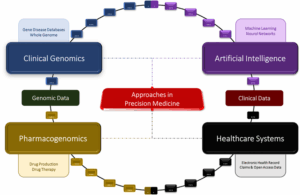
Combining genomics and artificial intelligence (AI) is opening new opportunities to address more complicated diseases such as cancer. The recent work published by Nature discovered that AI systems have a potential to process genomic data to decide what genes promote cancer growth and what drugs would be the most effective. The use of AI in genomics is not only benefiting the early diagnosis but also the accuracy in the choice and dosage of drugs.
However, experts say that AI should be used only as a support tool, not as replacement of doctors. The final medical decisions must always rely on doctors advice.
Genomic Testing of Newborns -The Future ahead
Recently, an Australian study analyzed the genome of 1,000 newborns. Approximately 6 percent of these infants possessed genetic variations, which have the potential to cause serious but curable diseases in the future. Genomic screening of the newborn can thus be used in the detection of potential health risks immediately at birth. This is slowly being adopted in India too, though issues of cost, lawmaking and even ethical permission continue to exist.
Nutrigenetics – The Interaction between Genes and Food
Another exciting field is called Nutrigenetics, which studies how our gene influence the way our body reacts to the food. For example, some people have genes that make them more likely to develop high blood pressure if they consume surplus salt or fats. In the future, doctors may use these genetic reports to give personalised dietary advice, identifying which foods are beneficial or harmful depending on the genetic composition.
Opportunities and Challenges in India
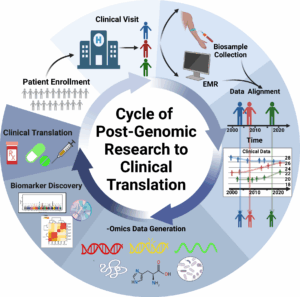
Equitable access is one of the largest issues of genomic healthcare in India. These high-end technologies are still hard to transfer to the economically disadvantaged sectors, distant locations and small towns with few qualified doctors. It is important to make sure that the genomic innovations do not stay in the big cities or in wealthy communities. More so, India should reinforce policies on data protection, privacy issues, and awareness among the population. The government and the private sector should work to develop a system that will allow science to progress without sacrificing the privacy of individuals.
Conclusion – A New Age of Medical Science
Genomics has changed the definition of medicine. It is not only curing diseases anymore, but also helping in predicting and preventing them. It is being said that, the genome is the map of our body, but the key to the destination of good health lies in the way of how we read it. It is only with the concerted efforts of the science, policy, and the society that the genomic revolution can have a real impact of changing the lives of all.
About the Author:
Dr. Renu Yadav
Senior Demonstrator, PGIMER, Chandigarh;
Email: renu21835@gmail.com | Phone: +91 7015665504